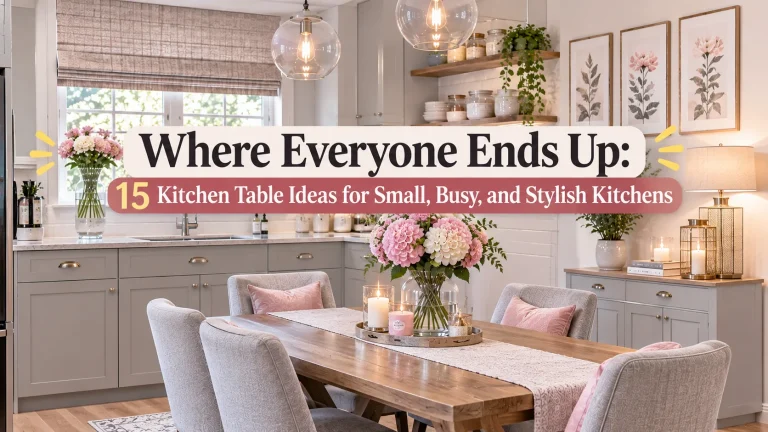
Homieholic: How to Make Your Home Feel Like Yours
Have you ever walked into a room you’ve lived in for years and felt like something was slightly off, but couldn’t say what? The furniture is fine. The walls are fine. It just doesn’t feel like you yet.
That feeling is where Homieholic begins. This site is about home decor and DIY for real homes, the ones with awkward corners, rented walls, tight budgets, and furniture that came from three different places. You don’t need a full renovation to make a space feel warmer and more personal. Often, a handful of thoughtful changes does more than a shopping spree.
Here you’ll find home decor ideas, step-by-step DIY projects, room styling guides, and practical advice for making the most of the space you already have.
What Homieholic Is About
Homieholic is a home decor and DIY blog written for people who love their homes, or want to. The focus is on ideas you can actually use, explained in plain language, with notes on cost, effort, and what to watch out for.
You’ll find a mix of:
- Room styling guides for living rooms, bedrooms, kitchens, bathrooms, entryways, and small corners that often get ignored.
- DIY projects that range from simple weekend updates to slightly bigger builds, with clear steps and tool lists.
- Budget decorating that leans on rearranging, upcycling, and secondhand finds before buying new.
- Renter-friendly ideas for anyone who can’t paint, drill, or replace fixtures freely.
- Seasonal refreshes that change the feel of a room without starting over.
The goal isn’t to copy a showroom. It’s to help you build a home that works for how you live, looks the way you like, and feels comfortable to come back to.
Before You Buy Anything, Try This
A lot of rooms improve before a single new item comes through the door. If a space feels flat or cluttered, these steps are a good place to start.
Clear the Surfaces First
Tabletops, counters, shelves, and the top of the dresser collect things fast. Take everything off one surface, wipe it down, and put back only what you use or love. It’s a quick way to see what the room actually looks like underneath the everyday pile.
Rearrange One Piece of Furniture
Sometimes a room feels awkward because of one item placed out of habit. Try angling a chair toward the window, pulling the sofa a little away from the wall, or moving a side table to the other end. Leaving walkways of roughly two to three feet usually keeps a room easy to move through.
Check the Lighting at Night
Many rooms rely on a single overhead light, which can make a space feel flat after dark. Adding a floor lamp, a table lamp, or a small accent light at a lower height creates softer pools of light. Warm white bulbs tend to feel cozier in living areas and bedrooms, while cooler tones may suit workspaces.
Look at What’s Already in Other Rooms
That basket in the hallway might be exactly what your living room needs. Pillows, throws, plants, frames, and small trays move easily between rooms. “Shopping your home” costs nothing and often gives a fresh result.
DIY Projects: Starting Small
If you’re new to DIY, the best first projects are usually ones with low risk and easy fixes if something goes wrong. Here are a few types of projects you’ll find covered on Homieholic, roughly in order of effort.
Easy starters include updating cabinet or drawer knobs, swapping lampshades, framing prints or fabric samples, and making simple shelf arrangements. These usually need few tools and are easy to undo.
Weekend projects might involve painting a thrifted side table, building a basic floating shelf, or making a headboard from plywood and fabric. These need a bit more planning, the right supplies, and some patience while paint or glue dries.
Bigger projects could include accent walls, built-in-style storage, or furniture builds. These take more time and tools, and they’re worth planning carefully before you start.
Each DIY guide on the site aims to list the tools, materials, and rough skill level up front, so you can decide whether a project fits your time and confidence before you begin.
A Few DIY Habits Worth Building
- Test finishes first. Try paint, stain, or sealant on the underside or back of a piece before covering the whole surface.
- Check the material. Laminate, solid wood, and metal often need different primers or prep.
- Work in a ventilated space. Many paints, stains, and adhesives have strong fumes. Open windows or work outside when possible.
- Read product labels. Drying times, coverage, and safety instructions vary between brands.
Decorating When You Rent
Renting doesn’t mean living with blank walls and beige everything. It just means choosing updates you can remove when you move.
Removable wallpaper, peel-and-stick tiles, and adhesive hooks can change a space without permanent damage, though results vary depending on your wall surface and paint. Testing a small, hidden area first is a good idea, and it’s worth checking your lease or asking your landlord before trying anything you’re unsure about.
Other renter-friendly options include:
- Layering rugs over flooring you don’t love
- Swapping curtain panels and adding a tension rod where drilling isn’t allowed
- Using plug-in wall lights instead of hardwired fixtures
- Leaning large mirrors or art against the wall instead of hanging them
- Replacing cabinet knobs and keeping the originals to put back later
Small changes like these can make a rented space feel far more personal while keeping your deposit safer.
Making the Most of Small Spaces
Small rooms can feel cozy and inviting with the right choices. A few approaches tend to help:
Use vertical space. Tall shelves, wall-mounted storage, and hooks free up floor space.
Pick furniture that does two jobs. A storage ottoman, a bed with drawers underneath, or a drop-leaf table can save room.
Keep the color palette connected. Repeating two or three colors across a small space can make it feel more cohesive and less busy.
Use mirrors thoughtfully. A mirror placed across from or beside a window can bounce more natural light into the room.
Edit regularly. In small rooms, extra items show up quickly. A quick reset once a week keeps things manageable.
What This Can Look Like in Practice
Here are a few common situations and the kind of approach that might help. They’re examples, not one-size-fits-all fixes.
A dark living room with one window. Adding a floor lamp in the darkest corner, choosing lighter curtains that let more daylight through, and placing a mirror near the window could make the room feel brighter, both during the day and after sunset.
A bedroom that feels cluttered. Clearing the nightstands, moving extra items into lidded baskets under the bed, and switching to plain bedding in one or two colors may make the room feel calmer.
A rental kitchen with dated cabinets. Replacing the knobs, adding a small rug, and displaying a few useful items like a cutting board or a fruit bowl can update the look without touching the cabinets themselves.
An empty hallway. A runner, a few framed prints in a row, and a small table or wall shelf can turn a pass-through space into something that feels finished.
Common Decorating Mistakes (and Easy Ways Around Them)
Buying everything at once. Filling a room in one go can lead to a matching set that feels impersonal. Adding pieces over time often gives a more collected, lived-in look.
Choosing a rug that’s too small. A small rug in a large room can make furniture look like it’s floating. Measuring the seating area before buying helps.
Hanging art too high. Art often looks better when the center sits around eye level. Above a sofa, leaving a gap of several inches between the furniture and the frame usually connects the two.
Ignoring scale. A tiny lamp on a large table or an oversized sofa in a narrow room can throw off balance. Taping out furniture dimensions on the floor before buying can help you visualize the fit.
Skipping storage. Without enough storage, clutter tends to pile up no matter how nice the decor is. Planning where things will live makes styling easier.
Frequently Asked Questions
Do I need a big budget to use these home decor ideas?
No. Many ideas on Homieholic focus on rearranging, upcycling, secondhand finds, and small swaps. Where a project does need a larger spend, the guide aims to say so up front.
I’ve never done DIY before. Where should I start?
Begin with easy, reversible projects like changing knobs, framing prints, or painting a small item. They build confidence and teach basic skills without much risk.
Are the ideas suitable for renters?
Many are. Renter-friendly guides focus on removable or temporary updates. Always check your lease and test products in a hidden spot before using them widely.
How do I find my decorating style?
Look at the rooms, colors, and pieces you keep coming back to, whether in photos, shops, or other people’s homes. Common threads in those choices often point toward a style you’ll enjoy living with.
How often should I refresh a room?
There’s no set schedule. Some people like a small seasonal change, like swapping pillows or throws, while others prefer to update only when something stops working for them.
Meet the Writer
Homieholic is written by Hannah Brooks and Sophie Reynolds. The articles here are meant to be practical and approachable, with clear steps, honest notes about effort and cost, and ideas that work in ordinary homes rather than just photo shoots.
Make Yourself at Home
Your home doesn’t need to look like anyone else’s. It needs to feel right for the people living in it. Whether you’re here for home decor ideas for one corner, a weekend DIY project, or a full room refresh, start with one small change and see how it feels.
Browse the room guides, try a project that suits your time and tools, and come back whenever your space is ready for something new.
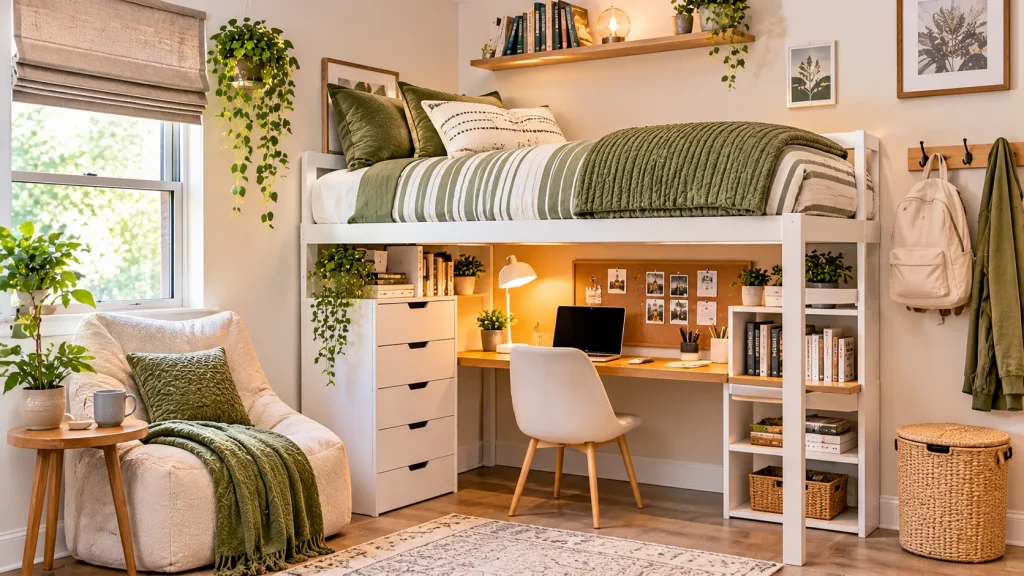
One Room, Four Jobs: 8 Dorm Bedroom Ideas That Make Small Spaces Work Harder
At home, you have separate spaces for sleeping, eating, relaxing, and getting out the door with everything you need. In a dorm, one small room often has to do all…
Be a Little Braver: 9 Guest Room Decor Ideas for the Room You Don’t Sleep In
Here’s something worth thinking about. You probably sleep in your own bedroom every night for years. Your guests might spend just three nights at a time in the spare room….
Doors, Finishes, and Layouts: 20 Wardrobe Design Bedroom Ideas With Real Personality
A wardrobe is usually the biggest piece of furniture in a bedroom. It’s often bigger than the bed. Yet most of us pick one based on how much it holds,…
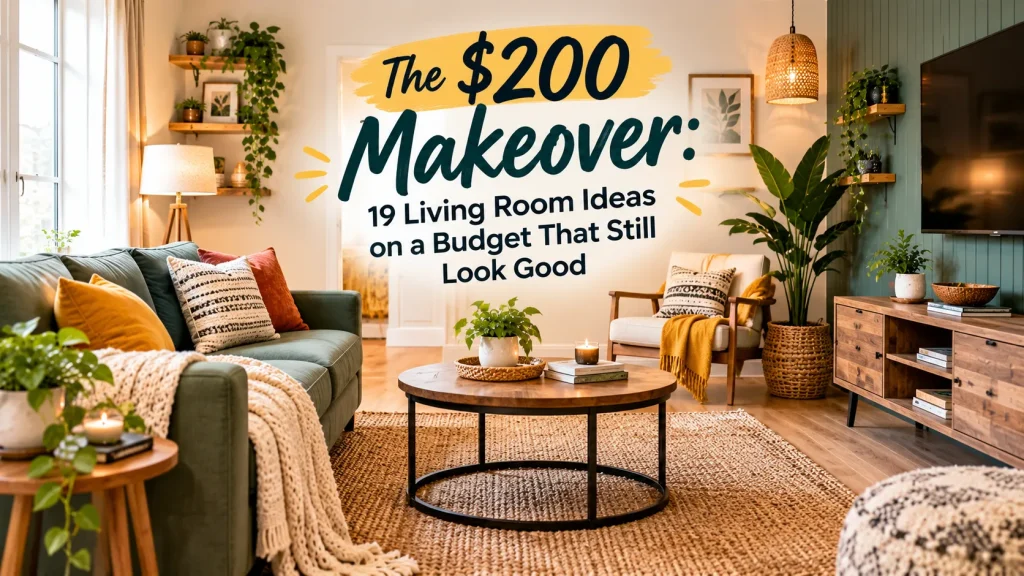
The $200 Makeover: 19 Living Room Ideas on a Budget That Still Look Good
Picture a living room that’s done its time. The sofa sags in the middle. The ceiling light is a dated glass dome. The coffee table has a ring from a…
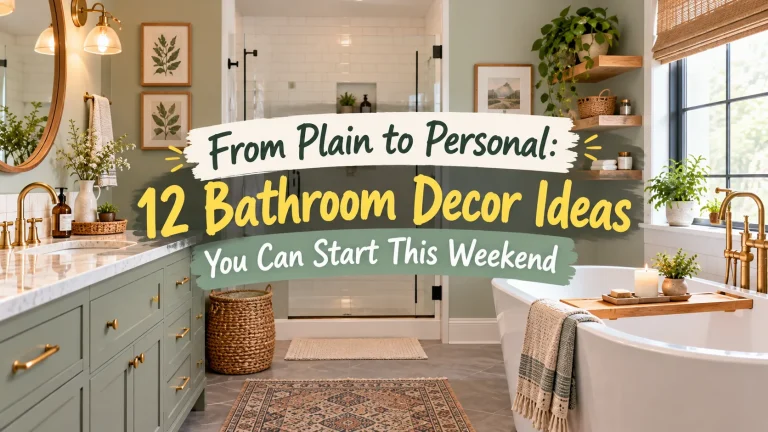
From Plain to Personal: 12 Bathroom Decor Ideas You Can Start This Weekend
Most bathrooms aren’t ugly. They’re just forgettable. White walls. A plain mirror. A shower curtain picked in a hurry. Towels that don’t quite match. It works, but nobody walks in…
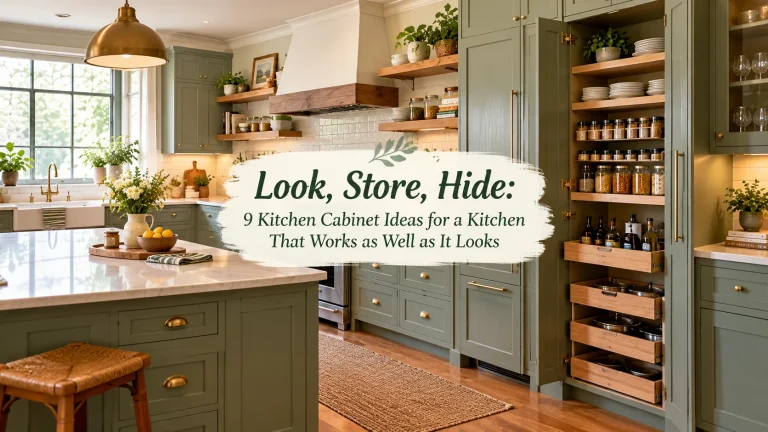
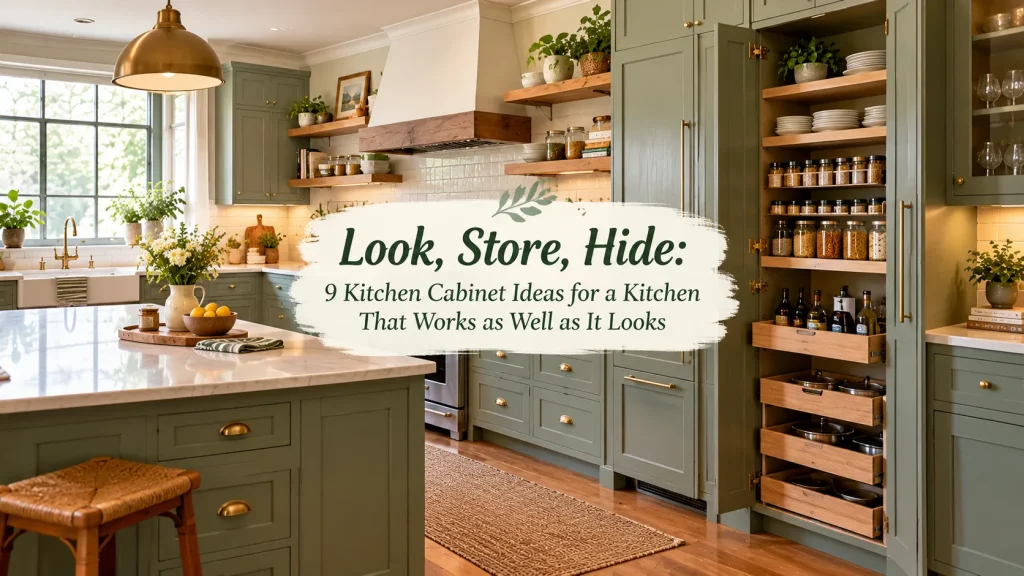
Look, Store, Hide: 9 Kitchen Cabinet Ideas for a Kitchen That Works as Well as It Looks
Stand in your kitchen for a minute and look at the cabinets. Really look. What bothers you most? Maybe it’s the color, which felt fresh fifteen years ago. Maybe it’s…


Living Room Ideas
The living room usually handles everything: relaxing, hosting, watching TV, sometimes working. Focus on comfort and flow. A rug sized so at least the front legs of the main seating rest on it can pull the seating area together. Mixing textures, like a knit throw with linen pillows or a wooden tray on a fabric ottoman, adds depth without adding clutter.


Bedroom Ideas
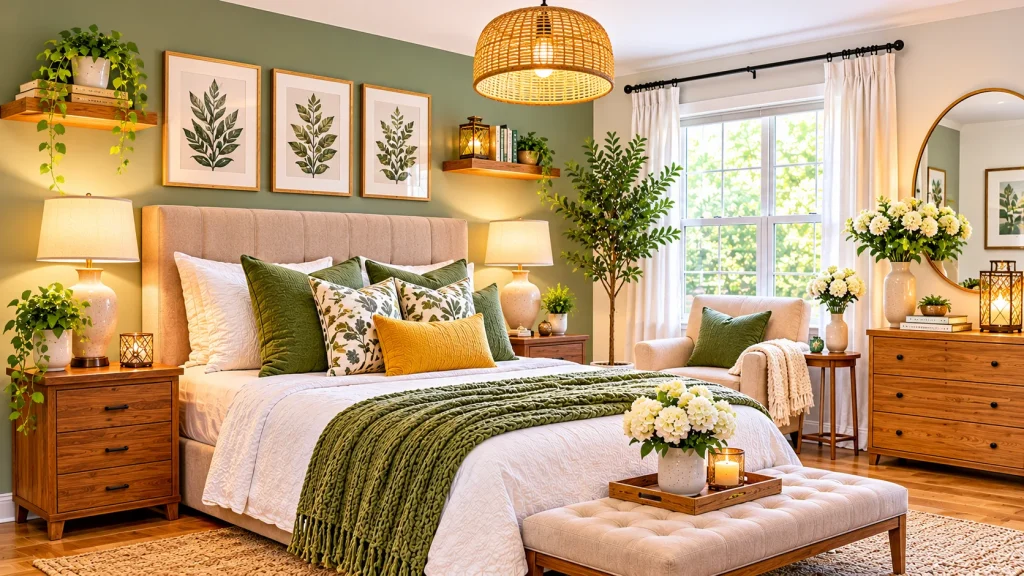
A bedroom tends to feel calmer with fewer competing colors and less on display. Bedding is often the biggest visual piece, so changing it can shift the whole mood of the room. Bedside lamps at a comfortable reading height and a spot to drop things at night, like a small dish or tray, make everyday routines easier.



Kitchen Ideas
Kitchens get busy quickly. Keeping the most-used items within reach and storing the rest out of sight makes the space feel more open. Small decorative touches, such as a wooden board leaning against the backsplash or a plant near the window, add warmth without getting in the way of cooking.